Colonial Tunicates
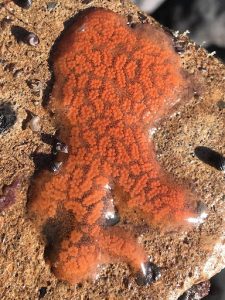
MARINE ANIMAL Didemnum, Diplosoma, Botryllus, Botrylloides spp. | Other Name: Sea Squirt Description Colonial Tunicates are small marine filter-feeding animals, sometimes referred to as sea squirts. They live attached to



MARINE ANIMAL Didemnum, Diplosoma, Botryllus, Botrylloides spp. | Other Name: Sea Squirt Description Colonial Tunicates are small marine filter-feeding animals, sometimes referred to as sea squirts. They live attached to
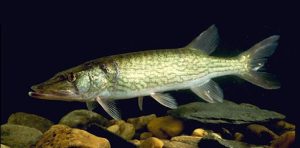
FRESHWATER FISH Esox niger | Other Names: Pickerel, Water Wolf, Pike Description Long, narrow, torpedo-shaped, green body with a darker back and white belly. Adults have chain-like pattern on sides;

FRESHWATER FISH Micropterus dolomieu | Other Names: Smallie, Brown Bass, Black Bass Description Smallmouth Bass have a robust, brown-green body with a white belly. They have dark vertical bars on
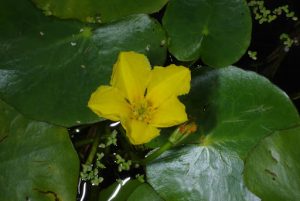
VASCULAR PLANT Nymphoides peltata | Other Names: Fringed Water Lily, Water Fringe Description Yellow Floating Heart is a bottom-rooted, floating-leaved aquatic plant. Its leaves are round, heart or kidney-shaped, 3–15